Brazil is the third largest Producer of Chicken Meat in the World and ranks first in World Exports.
Brazil is the 3rd largest producer of broilers in the world and the 1st place in exports.
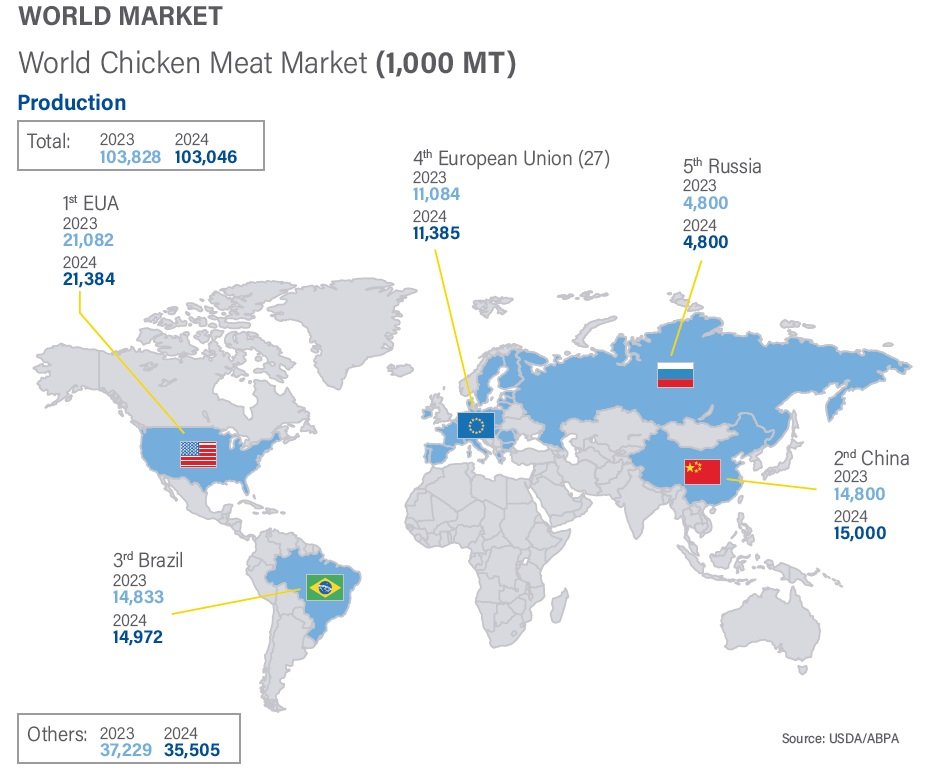
Brazil is the third largest producer of chicken meat in the world, behind the United States (USA) and China. In 2009 it surpassed the USA, reaching the 1st place in exports. It also occupies a good position in egg production, 7th place. Poultry production generates around 2 million direct and indirect jobs throughout Brazil, contributing to a significant increase in the economy. The south and southeast regions are the largest producers, but there is a growing production in the center-west region due to the production of corn and soybeans. The states that produce the most chicken are the states of Paraná (27%), Santa Catarina (26%) and Rio Grande do Sul (23%). The low cost with investment in facilities and high production of grains, favors the production of chickens in Brazil.
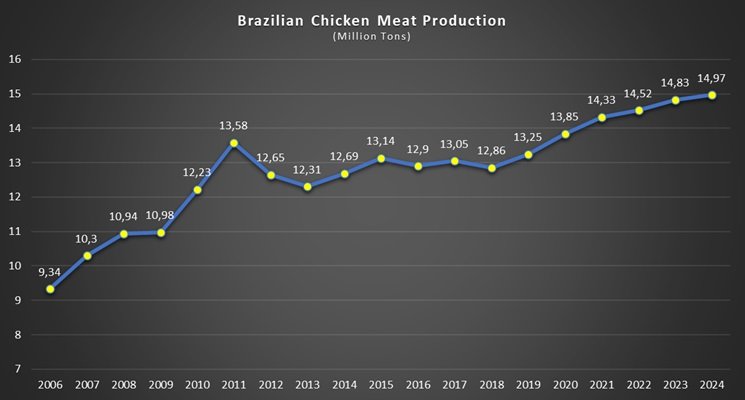
In 2021, China surpassed Brazil in chicken meat production by 200,000 tons, placing China in second place in the world rankings and Brazil in third. In 2023, Brazil surpassed China in production by 33,000 tons, thus regaining second place, but in 2024, China increased its production to 15 million tons, again surpassing Brazil by 28,000 tons. Thus, in 2024, Brazil remains the third-largest chicken meat producer in the world with 14.972 billion tons.
Chicken Meat Production should have Record Yield in 2025/26 in Brazil
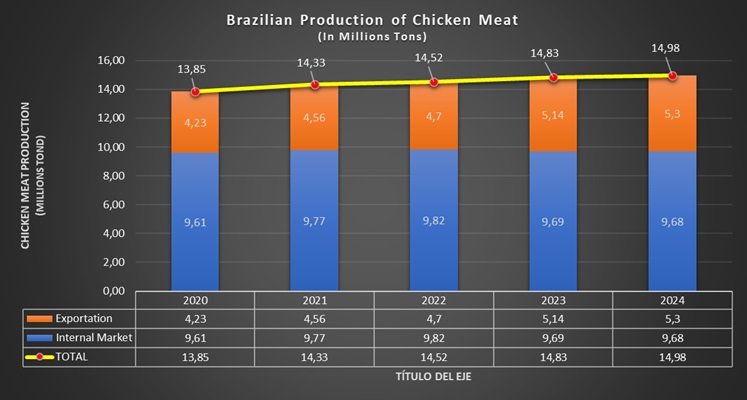
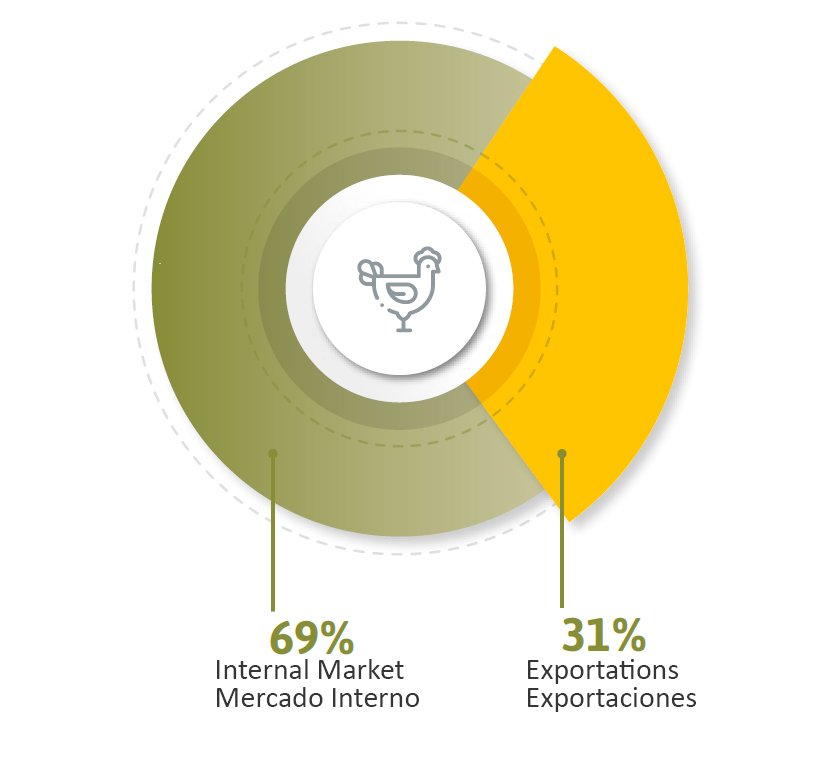
Chicken meat, Brazil’s main protein on the international stage, was also discussed in detail. Production is expected to reach 15.4 million tons in 2025, and a further increase is estimated for 2026, reaching 15.7 million tons. Brazilian exports are expected to decline slightly in 2025. Shipments are forecast to total 5.2 million tons, compared to 5.29 million tons in 2024. This drop of up to 2% reflects the temporary impact of avian flu and the restrictions imposed by some markets. However, the sector is already negotiating the reopening of these destinations and expects to reach 5.5 million tons exported in 2026, an increase of 5.8%. In the Brazilian domestic market, availability is also growing. Per capita consumption is expected to reach 2,025 kilograms in 47.8 years, up from 45.5 kilograms in 2024. For the ABPA, this guarantees stable production and strengthens exporters’ confidence, keeping Brazil at the top of the list of global suppliers.
Evolution of Brazilian Chicken Meat Production
Brazilian chicken meat by destination
BRAZILIAN EXPORTS OF CHICKEN MEAT
According to data from the Secretariat of Trade and International Relations of the Ministry of Agriculture and Livestock (SCRI/MAPA), from January to July 2025 alone, exports of chicken meat and offal exceeded US$5.47 billion, totaling more than 2.9 million tons. The main destinations for Brazilian chicken meat are: Saudi Arabia, China, the United Arab Emirates, Japan, Mexico, and the Philippines. For chicken offal, the destinations are: China, Hong Kong, Ghana, and Saudi Arabia. According to the National Supply Company (CONAB), chicken meat production is estimated to reach a new record in 2025, projected at 15.48 million tons, a 1.5% increase compared to 2024.
Brazil, the world leader in exports of the product, will be responsible for more than a third of the estimated increase, as “is well positioned to profit from growing demand from the European Union and the UK.” The forecast is something around 4.180 million tons of in natura product.
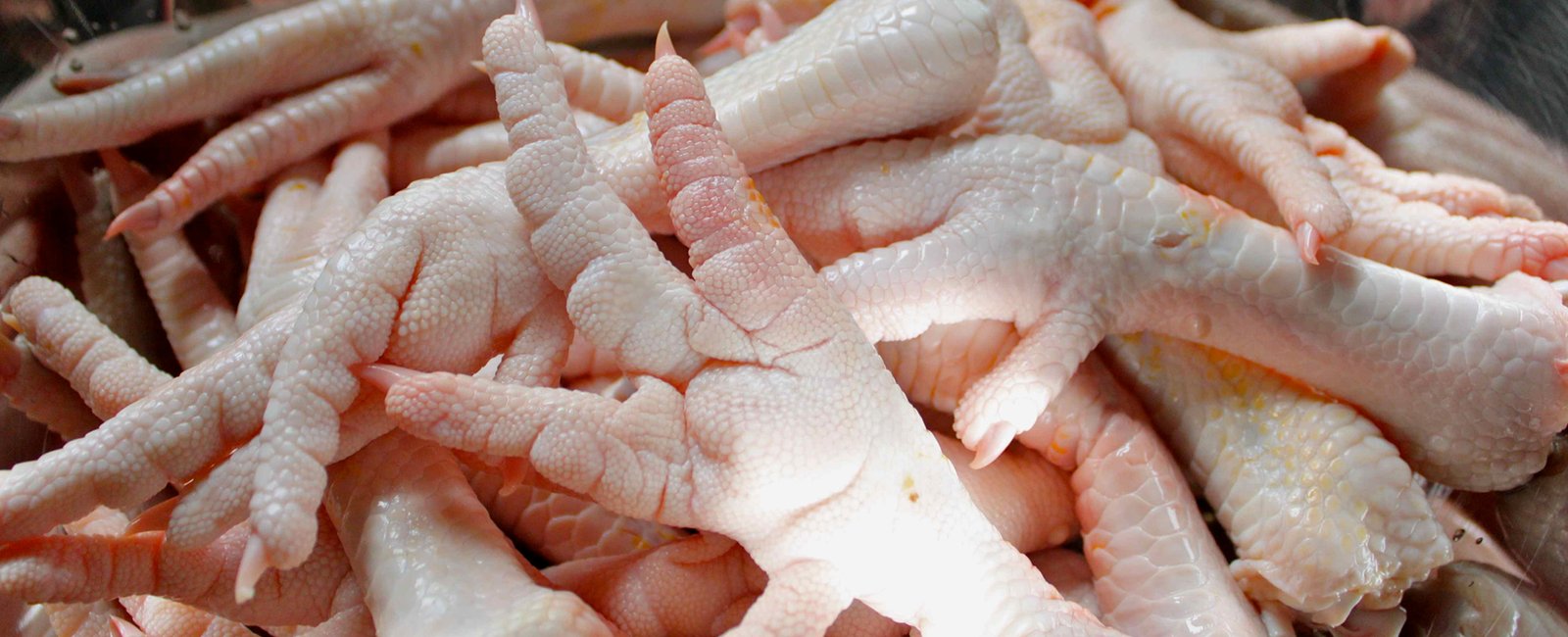
For the USDA, Brazil is also able to meet the growing imports from East Asia and the Middle East. But he points out that the increase in demand from Asia, especially from Japan and China, will also support the expansion of exports from Thailand. The US agriculture body ends its analysis by noting that, despite the increase in domestic production, chicken meat imports from China will remain firm. The expected increase will be limited, not reaching 3%. Note that, in all its projections, the USDA continues to disregard exports and imports of chicken feet/paws. Therefore, the effective values will be higher than those indicated, especially with regard to Brazil and China.